Highlights
- Low-income apartments for seniors provide safe, affordable living while promoting independence.
- Access to supportive services enhances health and well-being for residents in these housing options.
Summary
Low-income apartments for seniors offer affordable housing tailored to meet the needs of elderly individuals and families with limited financial means. Funded mostly through federal programs like HUD’s Section 202 and the Housing Choice Voucher Program (Section 8), these units aim to provide safe, cost-effective living environments that encourage independence. However, with demand often exceeding supply, prospective residents may face long waiting lists and regional disparities in availability.
Definition and Purpose
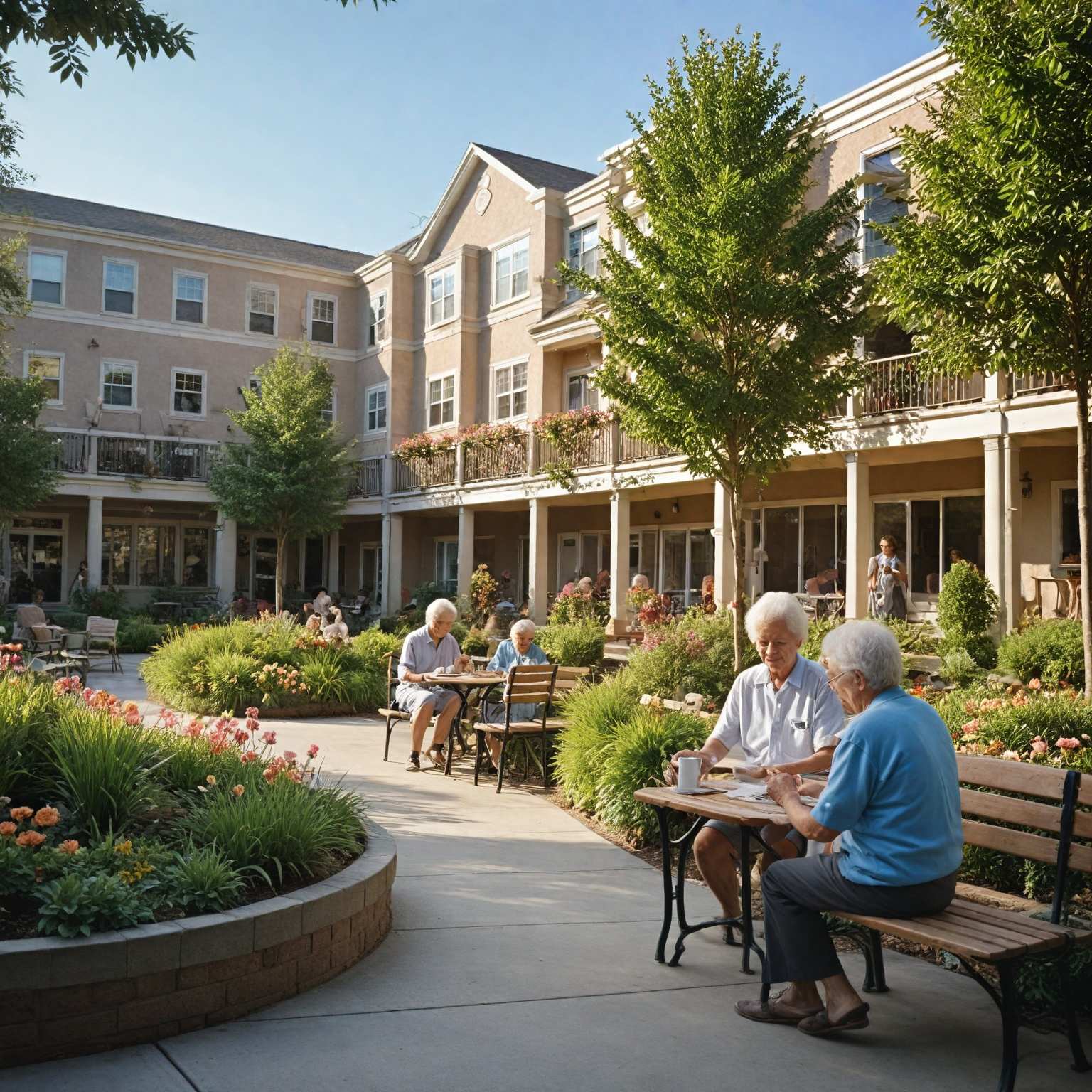
Low-income senior apartments cater exclusively to elderly individuals and families in financial need, helping them secure safe and accessible housing. Beyond the provision of shelter, many programs offer integrated support services like healthcare and social activities designed to enhance residents’ overall wellbeing. Coupled with accommodations tailored to aging needs, these initiatives promote a stable and healthy lifestyle for older adults.
Eligibility Criteria
Eligibility for low-income housing mostly hinges on age, income level, and citizenship status. Generally, applicants must be 50 or 62 years old, with income not exceeding 50% to 80% of the Area Median Income (AMI). Additional considerations include general tenant behavior, family composition, and special circumstances, such as veteran status, which can influence the likelihood of acceptance.
Types of Low-Income Senior Housing
Various types of low-income senior housing exist, each offering unique support and care levels. Public housing provides government-funded rental units, while the Housing Choice Voucher (Section 8) program offers rent subsidies for private housing. The Section 202 program prioritizes seniors needing supportive services, while adult foster care caters to those requiring mild assistance in a more personal setting. Integrated programs also offer essential health and supportive services, ensuring seniors maintain independence and community connections.
Application Process
The application processes vary widely based on the housing program. Applicants typically need to gather various documentation, including income verification and familial details, and may face long waiting periods due to high demand. Different programs have unique application routes, requiring seniors to navigate multiple procedures, especially if they are applying to different types of housing options simultaneously. Being organized and proactive is essential for finding suitable placement.
Benefits and Services Provided
Affordable housing for seniors includes numerous benefits such as reduced rent, which usually accounts for 30% of the resident’s adjusted income. Many housing communities expand their offerings to include onsite supportive services, helping residents with daily tasks and wellness activities. Accessibility features also play a significant role, with designs aimed at enhancing safety and independence for seniors with mobility restrictions.
Availability and Regional Differences
The availability of low-income senior apartments varies between urban and rural areas, impacting eligibility based on local income levels and residency preferences. Rural seniors face unique challenges, including fewer housing options and distances to healthcare services. Federal programs aimed at these areas provide necessary assistance, yet funding cuts pose ongoing threats to rural housing availability.
Funding and Administration
Funding for low-income senior housing primarily comes from federal agencies like HUD and USDA, while local housing authorities manage specific programs. These organizations play vital roles in developing, maintaining, and administering affordable housing. However, budget cuts present risks to rural programs and underscore the need for sustainable funding mechanisms for effective service delivery.
Challenges and Considerations
High demand for low-income apartments creates significant challenges, often resulting in long waiting lists and limited availability. Rural areas face additional obstacles such as high construction costs and zoning changes that limit development. Accessibility continues to be an issue, as many existing units lack the necessary features for older residents, complicating their capacity to live independently.
Impact on Senior Communities
Low-income apartments for seniors significantly enhance the quality of life for older adults by fostering financial and social stability. With supportive services built into housing arrangements, many seniors find themselves better equipped to navigate aging-related challenges. These arrangements not only improve individual wellbeing but also cultivate stronger community bonds, vital for mental health and social enrichment among seniors.
The content is provided by Avery Redwood, News Mobitech